
Why Youth Athletes Should Strength Train and Play Multiple Sports
Learn why youth athletes should strength train and play multiple sports to reduce injuries, improve performance, and support long-term athletic development with nutritional guidance!
Learn why youth athletes should strength train and play multiple sports to reduce injuries, improve performance, and support long-term athletic development with nutritional guidance!

Parents and athletes will learn what ultra-processed foods are, how they’re defined using the NOVA classification system, and how they compare to whole and minimally processed foods. Discover how to make smart, performance-driven nutrition choices to support health, recovery, and athletic performance.

Are peptides safe for teens? A sports dietitian explains risks, research, and safer alternatives for adolescent athletes, growth, and recovery.

Faith, Physiology, and the Wisdom to Know the Difference. Fasting is a spiritual discipline. It is not a requirement for righteousness, weight loss, or worth.

Tennis is a high-intensity, intermittent sport requiring explosive power, endurance, and focus. Matches can last from 45 minutes to 5+ hours, often in hot, humid conditions.

Vasovagal syncope, sometimes called vasovagal syndrome, is surprisingly common. Up to one-third of people experience at least one episode in their lifetime, and by age 60, that number rises to around 40%. For runners and student athletes, it can be especially frustrating and discouraging.

Youth hockey is fast, physical, and demanding. In this post, I share a simple, science-based game plan parents and coaches can use to help players stay strong and energized all season long. The foundation? Hydration, quality fuel for working muscles, and smart post-game recovery.

This blog will identify the key difference between plant-based and animal proteins, considerations to make with plant-based diets, and strategies for athletes to implement a plant-based way of eating and perform at their best.
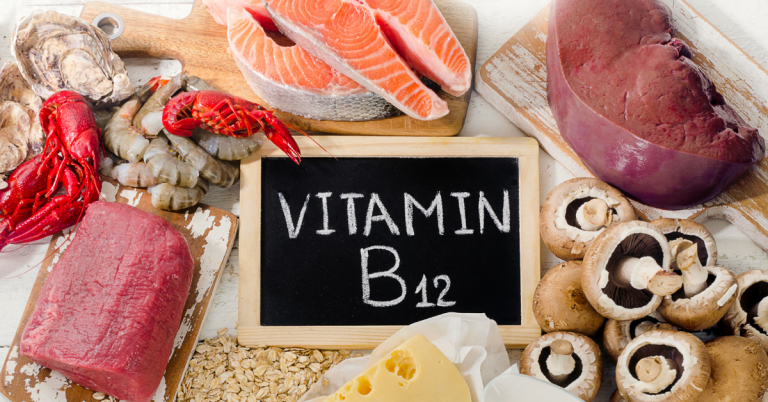
For runners, jumpers, throwers, swimmers, and distance athletes, every second counts. You train hard, monitor your nutrition, and grind through fatigue. But what if you’re doing everything “right” and still feel off? Perhaps you were like one of our many runners who struggled with poor focus, chronic fatigue, mood swings, brain fog, forgetfulness or sluggish recovery? You might be low in vitamin B12—and not even know it!

Swimmers have higher energy and hydration demands than most sports. Why? Because of long training durations, the water’s cooling effect masking sweat, and the need for power and endurance. Let’s dive into how your swimmer can fuel like a champion with a blend of quality carbohydrates, protein sources, and intentional timing. Nutrition is your secret weapon!

Back to the basics! There is no magic meal or diet that will 'win games'. Greatness is achieved by doing the little things consistently. Water, nutrition, and sleep are highly underrated. If you want to be a better athlete listen to these simple tips I provide in < 500 words."
They struggle because they are:
 Under-fueling without realizing it Eating “healthy” but not enough for sportTraining hard while under-recovering
Over time, this leads to:
– Low energy
– Poor recovery
– Increased injury risk
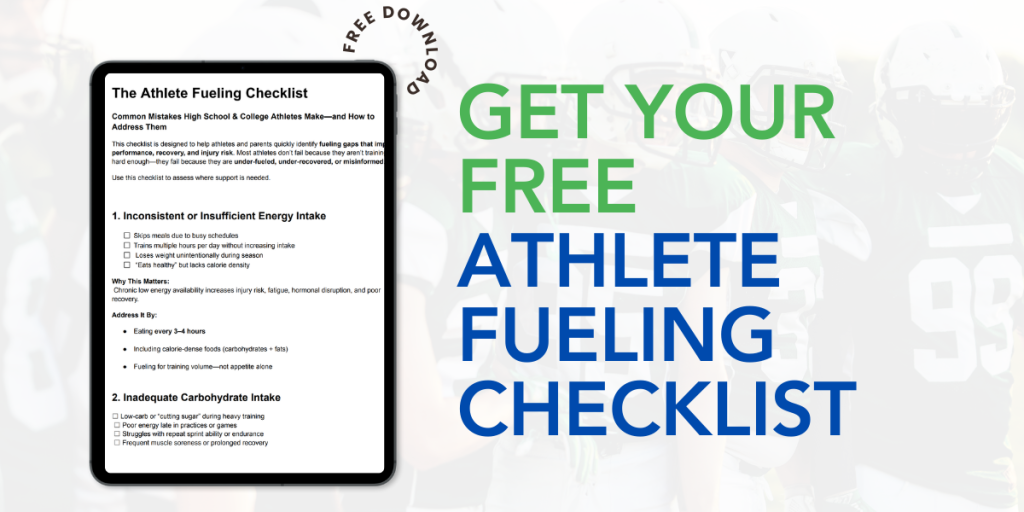
I created a free Athlete Fueling Checklist to help parents and athletes identify common fueling mistakes and understand what to fix next.