Peptides for Teens: Safety, Risks, and What the Science Says for Adolescent Athletes
Introduction
“Are peptides safe for teens and student athletes?” A great question! Adolescence is a period of rapid growth, hormonal changes, bone development, and natural surges in growth factors. With social media promoting “quick fixes” for muscle recovery, injury healing, skin health, and athletic performance, interest in peptides for teens is rising.
As a registered dietitian working with young athletes and active families, I frequently address questions about peptide use in adolescents. Here’s what the current science actually shows.
What Are Peptides?
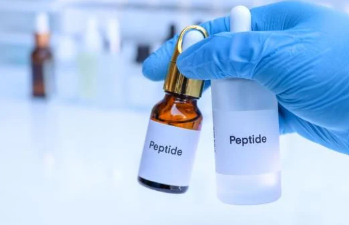
Peptides are short chains of amino acids that act as signaling molecules in the body. They influence:
- Hormone release
- Tissue repair
- Inflammation
- Metabolism
Some peptides are FDA-approved medications (e.g., insulin, medically prescribed growth hormone). Others commonly discussed online are:
- Experimental compounds
- Marketed as “research chemicals”
- Available through compounding pharmacies with regulatory limitations
Common Peptides Discussed Online
- Growth hormone secretagogues (CJC-1295, Ipamorelin)
- Tissue repair peptides (BPC-157, TB-500)
- Cosmetic/metabolic peptides (GHK-Cu, AOD-9604)
Important: Most research on these compounds is based on animal studies or limited adult data. High-quality research in healthy teenagers is lacking.
Are Peptides Safe for Teens?
Current Scientific Consensus
There is no strong evidence supporting the routine or non-medical use of peptides in healthy adolescents.
During puberty, the body already produces:
- Elevated growth hormone (GH)
- Increased insulin-like growth factor-1 (IGF-1)
Adding external compounds may disrupt:
- Natural hormonal regulation
- Bone maturation and growth plates
- Metabolic function
- Long-term disease risk
Growth Hormone Peptides in Adolescents
Some older studies in children with growth hormone deficiency showed:
- Temporary increases in growth velocity
- Inconsistent long-term outcomes
- No reliable improvement in final adult height
The standard of care remains:
- Recombinant human growth hormone (somatropin)
- Prescribed and monitored by a pediatric endocrinologist
Key Point:
Experimental peptides like CJC-1295 and Ipamorelin are not FDA-approved for pediatric use.
Healing & Recovery Peptides: What the Research Shows
Peptides like BPC-157 and TB-500 are often promoted for:
- Tendon healing
- Muscle recovery
- Injury repair
What the Evidence Actually Shows
- Strong results in rodent models
- Very limited human data
- No large pediatric trials
Regulatory concerns include:
- Potential immune reactions (immunogenicity)
- Contamination or impurities
- Lack of standardized dosing
Many of these substances are also:
- Banned by anti-doping organizations
- Restricted in compounding due to safety concerns
- Use ONLY third-party tested supplements as ar eminder
Collagen Peptides: The One Exception?
Collagen peptides are widely used as a dietary supplement, not an injectable peptide.
What Research Suggests
- May support bone remodeling markers in children (when combined with calcium + vitamin D)
- May support joint health and connective tissue in adults
- Limited direct evidence in healthy teen athletes
- Back to the basics with whole foods is a much more effective approach
Clinical Takeaway
- Generally well tolerated
- May offer modest support, not performance enhancement
- Should not replace whole-food protein sources
Better approach:
- Lean proteins (meat, fish, eggs, dairy, venison, turkey, chicken)
- Bone broth, gelatin + vitamin C strategies
Risks of Peptide Use in Teenagers
Teens using unregulated peptides especially those purchased online—face elevated risks:
Hormonal & Developmental Risks
- Disrupted puberty timing
- Premature growth plate closure
- Insulin resistance
Physiological Risks
- Water retention
- Cardiovascular strain
- Abnormal cell proliferation
Product Safety Risks
- Contamination
- Incorrect dosing
- Lack of third-party testing
Sport & Legal Risks
- Banned substances (USADA/WADA)
- Eligibility consequences
Better, Evidence-Based Alternatives for Teen Athletes
Instead of experimental peptides, focus on fundamentals:
1. Nutrition
- Protein: 1.6–2.2 g/kg body weight
- Avoid muscle cramping with sufficient fuel
- Adequate hydration with this fluid schedule
- Adequate calories (critical for growth + performance)
- Calcium, vitamin D, iron, magnesium and quality calories
- Nutrition cheat sheet for student athletes
- Refueling youth athletes
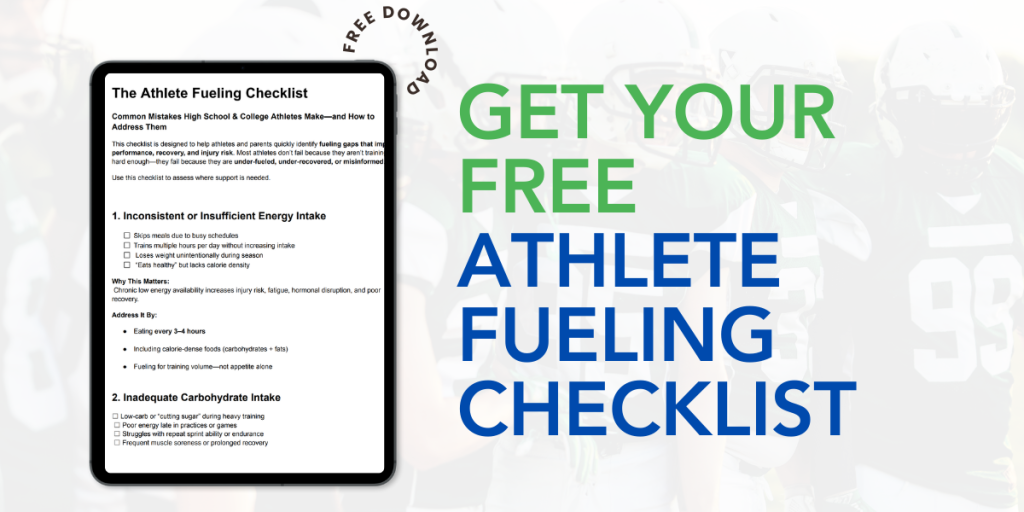
Get a copy of my health and performance playbook and meal and snack guide to build muscle!
2. Sleep
- Avoid energy drinks, caffeine, high fat meals before bed
- Maximizes natural GH release and recovery
- Student athletes are sleep deprived and here’s how much sleep they actually need
3. Training
- Progressive resistance training
- Sport-specific development
- Recovery protocols
4. Injury Management
- Physician + physical therapist + sports dietitian should be part of the sports medicine team for a multidisciplinary approach
- Avoid “quick fix” solutions
- Increase protein and optimize recovery
5. Supplement Caution
-
- Only use when deficiency is confirmed
- Always choose third-party tested products
- Creatine monohydrate is safe and effective for teen athletes
When to Seek Medical Guidance
If concerns exist around:
- Growth delays
- Recovery issues
- Hormonal health
Final Thoughts
The current body of evidence does not support the use of experimental or injectable peptides in healthy teenagers.
While collagen peptides may provide limited support, they are not a substitute for:
- Proper nutrition
- Sleep
- Structured training
Adolescence is already a biologically optimized period for growth. Attempting to “biohack” it may create more harm than benefit.
FAQ: Peptides for Teens
Are peptides safe for teenagers?
No, most peptides are not considered safe for healthy teens due to lack of research and potential hormonal disruption.
Can peptides help teen athletes recover faster?
There is no strong human evidence in adolescents. Most claims are based on animal studies.
Are collagen peptides safe for teens?
Collagen peptides are generally safe as a supplement, but should not replace whole food protein sources.
Why are peptides risky during puberty?
They may interfere with natural growth hormone production, bone development, and metabolic regulation.
References
Sigalos, J. T., & Pastuszak, A. W. (2018). The safety and efficacy of growth hormone secretagogues. Sexual Medicine Reviews, 6(1), 45–53.
https://pmc.ncbi.nlm.nih.gov/articles/PMC5632578/
Hardin, D. S. (2008). Treatment of short stature and growth hormone deficiency in children with somatotropin. Expert Opinion on Biological Therapy, 8(2), 197–206.
https://pmc.ncbi.nlm.nih.gov/articles/PMC2727887/
McGuire, F. P., et al. (2025). Regeneration or risk? A narrative review of BPC-157 for musculoskeletal and gastrointestinal conditions.
https://pmc.ncbi.nlm.nih.gov/articles/PMC12446177/
Reese, L. (2026). The boom of peptides in sports medicine: Do we know anything more? Sports Medicine.
https://www.sportsmed.org/the-boom-of-peptides-in-sports-medicine-do-we-know-anything-more
U.S. Food and Drug Administration. (2023–present). Bulk drug substances and compounding safety risks.
https://www.fda.gov/drugs/human-drug-compounding/certain-bulk-drug-substances-use-compounding-may-present-significant-safety-risks
United States Anti-Doping Agency (USADA). (n.d.). BPC-157: Experimental peptide creates risk for athletes.
https://www.usada.org/spirit-of-sport/bpc-157-peptide-prohibited/
Martín-Bautista, E., et al. (2011). Hydrolyzed collagen and bone modeling in pre-pubertal children. Journal of Pediatric Endocrinology and Metabolism, 24(3–4), 147–153.
https://pubmed.ncbi.nlm.nih.gov/21648282/
König, D., et al. (2018). Collagen peptides and bone mineral density. Nutrients, 10(1), 97.
https://www.mdpi.com/2072-6643/10/1/97
In good health, faith, and fitness
 Wendi Irlbeck, MS, RDN, LD, CISSN
Wendi Irlbeck is a registered dietitian nutritionist and performance coach who specializes in evidence-based sports nutrition for high school and collegiate athletes. She designs strategic fueling systems that support performance optimization, recovery, and injury risk reduction, while minimizing health risks associated with under-fueling, overtraining, and misinformation. Wendi partners with parents, coaches, athletic trainers, athletic directors, educators, and sports performance staff to deliver practical nutrition education and sustainable performance-driven lifestyle plans. Her team provides virtual services nationwide, including sports nutrition presentations, 1:1 and group coaching, and structured athlete development programs for families and active adults.
Work With Wendi
→ Book a 1:1 Nutrition Consultation
Strategic guidance for athletes, parents, and active adults seeking clarity and results.
Schedule your consult here
→ Team Talks, Workshops, Clinics & Partnerships/Speaking
Professional sports nutrition education for teams, clubs, schools, and organizations.
Inquire about speaking and partnerships HERE.
→ Elite 12-Week Elite Athlete Membership
Inside my Athlete Membership, I give you the exact tools we use with high school and collegiate athletes:
✔️ Sport-specific fueling plans
✔️ Meal and snack guides
✔️ Grocery lists + meal prep strategies
✔️ Performance nutrition education
✔️ Proven systems used with real athletes
👉 Join here:
https://www.nutritionwithwendi.com/membership/
→ Download the Health & Performance Playbook
Foundational nutrition principles every athlete and family should know.
Get the playbook
→ Questions and other inquiries for Wendi
Foundational nutrition principles every athlete and family should know.
Get in touch
 Under-fueling without realizing it