
Fueling the elite tennis athlete in < 500 words!
Tennis is a high-intensity, intermittent sport requiring explosive power, endurance, and focus. Matches can last from 45 minutes to 5+ hours, often in hot, humid conditions.

Tennis is a high-intensity, intermittent sport requiring explosive power, endurance, and focus. Matches can last from 45 minutes to 5+ hours, often in hot, humid conditions.

Vasovagal syncope, sometimes called vasovagal syndrome, is surprisingly common. Up to one-third of people experience at least one episode in their lifetime, and by age 60, that number rises to around 40%. For runners and student athletes, it can be especially frustrating and discouraging.

Youth hockey is fast, physical, and demanding. In this post, I share a simple, science-based game plan parents and coaches can use to help players stay strong and energized all season long. The foundation? Hydration, quality fuel for working muscles, and smart post-game recovery.

This blog will identify the key difference between plant-based and animal proteins, considerations to make with plant-based diets, and strategies for athletes to implement a plant-based way of eating and perform at their best.
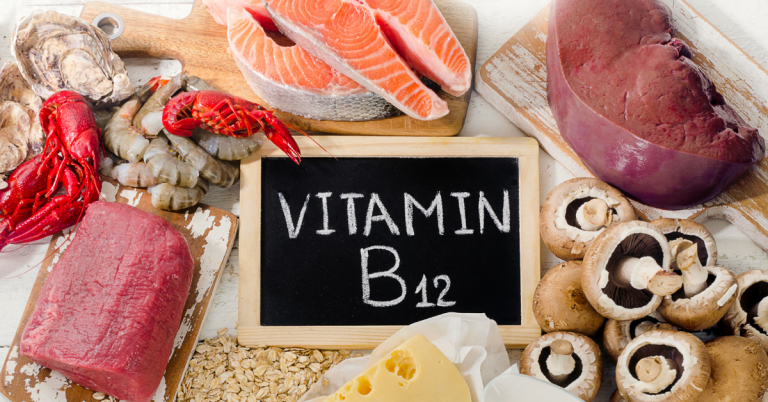
For runners, jumpers, throwers, swimmers, and distance athletes, every second counts. You train hard, monitor your nutrition, and grind through fatigue. But what if you’re doing everything “right” and still feel off? Perhaps you were like one of our many runners who struggled with poor focus, chronic fatigue, mood swings, brain fog, forgetfulness or sluggish recovery? You might be low in vitamin B12—and not even know it!

Swimmers have higher energy and hydration demands than most sports. Why? Because of long training durations, the water’s cooling effect masking sweat, and the need for power and endurance. Let’s dive into how your swimmer can fuel like a champion with a blend of quality carbohydrates, protein sources, and intentional timing. Nutrition is your secret weapon!

What if your student-athlete can’t eat common foods like dairy, nuts or gluten? Whether due to food allergies, intolerances, or medical conditions like celiac disease, these dietary restrictions can complicate an already demanding fueling strategy.

Wide receivers are some of the most athletic and dynamic players on the field! A WR’s nutrition must reflect that.

If you need a pre-workout for energy but you skipped breakfast and barely drank any water running on 5 hours of sleep and expect an energy drink to “give you the boost” you are doing the equivalent to rearranging furniture…

As a former multi-sport athlete and college softball pitcher, I know firsthand that what you eat can make or break your performance on the field. Fueling properly isn’t just about energy, it’s about strength, endurance, and recovery. Whether you’re gearing…

Coaches, parents, and teammates struggle to know how to help a student athlete who may struggle with an eating disorder.

Proper nutrition is the foundation of athletic performance. While all macronutrients—carbohydrates, protein, and fat—play important roles in fueling the body, the balance among them is crucial. As sports nutritionists, many of our athletes trying to gain weight struggle with consuming…

They struggle because they are:
 Under-fueling without realizing it Eating “healthy” but not enough for sportTraining hard while under-recovering
Over time, this leads to:
– Low energy
– Poor recovery
– Increased injury risk
I created a free Athlete Fueling Checklist to help parents and athletes identify common fueling mistakes and understand what to fix next.