
As a former multi-sport athlete and college softball pitcher, I know firsthand that what you eat can make or break your performance on the field. Fueling properly isn’t just about energy — it’s about strength, endurance, and recovery.
Whether you’re gearing up for game day, grinding through a tough practice, or bouncing back after a three-game Saturday, the right nutrition helps you stay strong, fast, and focused. Below is the full playbook.
Why Nutrition Matters So Much in Softball
From the outside softball looks like a game of short bursts, but a summer tournament weekend can mean four games in two days, six hours in the sun, and a pitcher throwing 300+ pitches across the weekend. That combination repeated max-effort sprints, throws, and swings spread across a long, hot day is exactly the scenario where under-fueled athletes fall apart in the late innings.
Proper nutrition supports speed, power, focus, and injury prevention. Parents, you play a huge role here: you pack the cooler, you stock the pantry, and you set the tone.
1. Build a Balanced Plate and Never LEAVE home without Breakfast
A well-rounded diet provides the energy and nutrients necessary for peak performance. Every meal should include:
- Carbohydrates (whole grains, fruit, potatoes, rice, pasta) — the primary fuel for sprinting, throwing, and swinging.
- Protein (lean meat, poultry, fish, eggs, dairy, beans) — for muscle repair and recovery.
- Healthy fats (avocado, nuts, seeds, extra virgin olive oil) — for sustained energy and joint health.
- Fruits and vegetables (leafy greens, berries, peppers, citrus) — for the vitamins, minerals, and antioxidants that support overall health.
You never leave home without your phone, so never leave home without breakfast. Athletes who skip breakfast tend to play catch-up on energy and calories all day — and nutrients missed at breakfast are not made up later in the day.
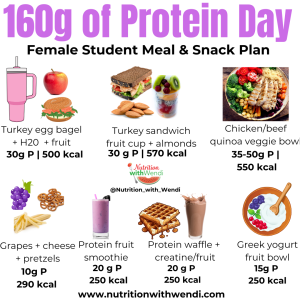
[ 6 breakfast ideas for the busy student athlete]
2. Hydration Is Non-Negotiable
Dehydration shows up as fatigue, cramping, slower reaction time, and mental fog — all things that get you beaten in the batter’s box.
The daily baseline:
- Aim for roughly half your body weight in ounces of fluid per day as a starting point, and more on practice and game days.
- Drink about 20 oz of fluid every two hours during the day. Set alarms on your phone. If you have time for social media, you have time to hydrate. My hydration schedule HERE.
Check your work: Pale-lemonade-colored urine means you’re on track. Dark and infrequent means you’re behind.
On hot tournament days, water alone isn’t enough. Heavy sweaters — and anyone who finishes a game with white salt streaks on their hat or jersey — need sodium alongside fluid. Add an electrolyte packet to one or two bottles, salt your food, and pack salty snacks like pretzels, pickles, or salted nuts.
Natural electrolyte sources: bananas, oranges, potatoes, coconut water, and dairy.
After the game: Milk or chocolate milk is one of the best recovery drinks available — fluid, sodium, carbs, and high-quality protein in one bottle.
3. Pre-Game Fueling
2–3 hours before first pitch: A meal built around complex carbs with moderate protein and lower fat and fiber. Think a grilled chicken sandwich with fruit and pretzels, or a turkey sandwich with grapes — my go-to as a pitcher and shortstop.
30–60 minutes before: A small, quick-digesting carbohydrate snack. A banana, applesauce pouch, granola bar, or a handful of pretzels.
Keep it familiar. Game day is never the time to try a new food, a new supplement, or a new pre-workout.
[6 pre-game meals before you hit the field] [ My “Chew-Nibble-Sip” fueling strategy — the full hour-by-hour breakdown]
4. Post-Game Recovery Starts Immediately
The 30–60 minutes after the final out is your best window to refill the tank. A combination of carbohydrate and protein restores glycogen and kickstarts muscle repair.
My “30-50-30” rule keeps it simple: roughly 30 grams of protein, 50 grams of carbohydrate, and 30 ounces of fluid after competition.
Easy ways to hit it:
- A smoothie with Greek yogurt, whey protein, berries, and a banana
- Chocolate milk plus a turkey sandwich
- Rice bowl with chicken and veggies
- Cottage cheese with fruit and a bagel
Pitchers and catchers, this matters even more for you. Your arm and legs take the heaviest load of anyone on the field, and back-to-back appearances leave almost no time to recover passively. Three major recovery tips that work!
5. Snacks That Actually Travel
Healthy snacks between meals keep energy steady across a long day. Keep these in the bag or cooler:
- 100% fruit bar with beef jerky
- Greek yogurt with berries
- String cheese with grapes
- Whole-grain crackers with hummus
- Apple slices with almond butter
- Trail mix with pretzels and dried fruit
- Peanut butter and honey sandwich on whole grain bread
See more athlete-approved snacks and meals

6. Surviving the Tournament Weekend
This is where most families lose the fueling battle. Four games, a hot parking lot, and a concession stand serving nachos and blue slushies.
Sample game-day timeline for a 10 a.m. first pitch:
| Time | What to eat or drink |
|---|---|
| Night before | High-carb dinner with lean protein and veggies — grilled salmon, quinoa, steamed broccoli |
| 7:00 a.m. | Balanced breakfast: oatmeal with fruit and nuts, eggs, and 16 oz of water |
| 9:00 a.m. | Light carb snack: banana or granola bar, plus fluid |
| Between innings | Sip fluid consistently — don’t wait until you’re thirsty |
| Between games | Sandwich or wrap, fruit, pretzels, and 20–30 oz of fluid |
| Post-final game | 30-50-30 recovery: protein, carbs, and fluid within an hour |
Pack the cooler the night before. A loaded cooler beats a concession stand every time: sandwiches or wraps, fruit, pretzels, jerky, trail mix, yogurt tubes, extra water, and electrolyte packets.
If the concession stand is the only option, steer toward a grilled chicken sandwich, a hot dog, a pretzel, or a plain burger over nachos, candy, and fried food.
See Wendi’s fueling game day breakfast from the hotel video.
7. Nutrients Softball Athletes Miss Most
Female athletes have been under-researched and under-fueled for decades, and the nutrition advice most girls get is either recycled from men’s sports or borrowed from the diet industry. Neither one serves them. A few nutrients deserve specific attention.
Iron. Female athletes are at elevated risk for low iron, which shows up as unusual fatigue, poor endurance, and slow recovery. Include lean red meat, poultry, beans, lentils, and fortified cereals, and pair plant sources with vitamin C (peppers, citrus, strawberries) to boost absorption. If your athlete is exhausted despite eating and sleeping well, ask her physician about checking iron status. Ferritin matters too! READ THIS!
Calcium and vitamin D. Peak bone building happens during the teen years, and it never comes back around. Dairy, fortified alternatives, leafy greens, and canned salmon all help.
Enough total food. The most common problem I see in high school athletes isn’t eating the wrong things — it’s not eating enough, period. Growth, school, practice, and games add up to a real energy demand. Under-fueling shows up as frequent illness, nagging injuries, stalled strength gains, mood changes, and menstrual irregularities. If any of that sounds familiar, work with a sports dietitian.
Want to go deeper on this? Female athletes have distinct fueling needs across their training years — energy availability, iron, bone health, and how the menstrual cycle interacts with performance and recovery. I break it all down here:
8. Avoid These Common Pitfalls
- Skipping meals. The fastest route to low energy, poor focus, and a bad seventh inning.
- Relying on fast food. High in fat and low in the carbs and micronutrients that drive recovery.
- Energy drinks. High-caffeine energy drinks are not appropriate for high school athletes. They mask fatigue rather than fix it, and they set up a crash. If your athlete skipped meals and slept five hours, an energy drink is the last thing she needs — food, fluid, and a nap are the actual answer.
- Winging it. Plan meals and snacks ahead. We get our energy from fluid, food, and rest. Fuel up so you don’t stall out.
9. Don’t Forget Sleep
Nutrition can’t outwork chronic under-sleeping. Most high school athletes need 8–10 hours per night, and it’s during sleep that muscle repair, hormone regulation, and skill consolidation actually happen. A consistent bedtime is a performance tool. Learn more about how much sleep student athletes need HERE.
10. Parents, Lead by Example
Your influence matters more than any handout I can give your athlete. Keep healthy options visible and easy to grab. Eat meals together when you can. Model good habits rather than policing them, and avoid commenting on body size or weight — talk about food in terms of fuel and performance, which is what it is.
Frequently Asked Questions
What should a softball player eat before a game? A meal rich in complex carbs with moderate protein 2–3 hours before first pitch — a turkey sandwich with fruit, or grilled chicken with rice — followed by a small carb snack like a banana 30–60 minutes out.
What should a softball player eat between games in a tournament? Something easy to digest with carbs and a little protein: a sandwich or wrap, fruit, pretzels, and 20–30 oz of fluid. Avoid heavy, greasy, or unfamiliar food between games.
How much water should a softball player drink? Start with about half of body weight in ounces per day, plus more around practices and games, aiming for roughly 20 oz every two hours. On hot days, add sodium through electrolyte drinks and salty snacks.
What’s the best recovery food after a softball game? A combination of protein and carbohydrate within 30–60 minutes. Chocolate milk, a smoothie with Greek yogurt and fruit, or a rice bowl with chicken all work well.
Are energy drinks safe for high school softball players? No. High-caffeine energy drinks aren’t recommended for adolescent athletes. Water, milk, and real food deliver better results without the crash.
Final Thoughts
Softball success starts with what’s on the plate. By prioritizing balanced meals, consistent hydration, and smart fueling around games, high school athletes can improve endurance, strength, and late-game performance. Parents, you’re their biggest supporters — help fuel their passion with the right choices.
With the right nutrition game plan, your athlete steps onto the field feeling energized, confident, and ready to perform at her best. Nutrition can make a good athlete great, or a great athlete good.
 Wendi is a registered dietitian nutritionist and performance coach who specializes in evidence-based sports nutrition for high school and collegiate athletes. She designs strategic fueling systems that support performance optimization, recovery, and injury risk reduction, while minimizing health risks associated with under-fueling, overtraining, and misinformation. Wendi partners with parents, coaches, athletic trainers, athletic directors, educators, and sports performance staff to deliver practical nutrition education and sustainable performance-driven lifestyle plans. Her team provides virtual services nationwide, including sports nutrition presentations, 1:1 and group coaching, and structured athlete development programs for families and active adults.
→ Book a 1:1 Nutrition Consultation
Strategic guidance for athletes, parents, and active adults seeking clarity and results.
Schedule your consult here
→ Fueling the female athlete
How many calories, carbs, protein and fat is required to fuel the 8-18 YO female athlete. Learn more… HERE.
→ Elite 12-Week Elite Athlete Membership
I✔️ Sport-specific fueling plans
✔️ Meal and snack guides
✔️ Proven systems used with real athletes
👉 Join here:
https://www.nutritionwithwendi.com/membership/
→ Download the Health & Performance Playbook
Foundational nutrition principles every athlete and family should know.
Get the playbook
→ Questions and other inquiries for Wendi + The Wendi Irlbeck Show
Foundational nutrition principles every athlete and family should know.
Get in touch
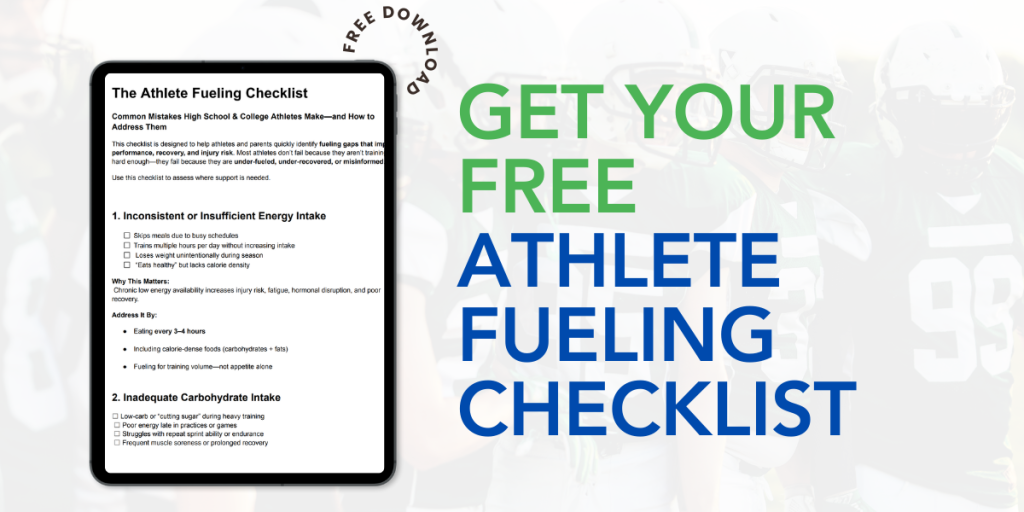
 Under-fueling without realizing it