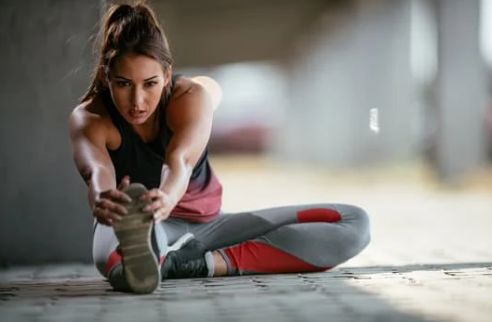
Has your daughter, athlete, or you yourself gone three months or more without a period? You’re not alone — and it’s not something to ignore or “wait out.” A missed period in a teen or adult female athlete is one of the clearest warning signs the body sends that it isn’t getting enough fuel. The good news: with the right nutrition plan, most athletes can regain a healthy menstrual cycle.
Losing your period is not a badge of hard training. It is never normal — and it’s reversible.
🎧 Want to listen instead of read? Tune into Episode 18 of The Wendi Irlbeck Show: Fueling the Female Athlete (find the full show on Apple Podcasts) where I break down exactly how female athletes can fuel for performance, hormone health, and long-term success.
What Is Amenorrhea in Female Athletes?
When a female athlete stops getting her period for at least 3 months, this is called amenorrhea. In athletes, it’s most often driven by Relative Energy Deficiency in Sport (RED-S) — the consequence of low energy availability (LEA), meaning the body is burning far more energy than it’s taking in and consistent with disordered eating.
RED-S can occur in both males and females and negatively impacts normal growth and development, hormonal health, bone health, recovery, strength, endurance, and even mental health. In females, a cluster of three RED-S symptoms is known as the Female Athlete Triad:
- Low energy intake (underfueling)
- Menstrual disruptions (irregular or missing periods)
- Low bone mineral density (BMD)
It is imperative to catch the Female Athlete Triad early — before it spirals into serious problems with bone strength, athletic performance, long-term health, and fertility.
Why Did My Daughter Lose Her Period? Understanding Low Energy Availability (LEA)
If you’re a parent searching for answers, here’s what’s happening: LEA occurs when an athlete consumes fewer calories than her body requires for growth, development, and athletic performance. It can be intentional or unintentional.
- Intentional underfueling: Many athletes restrict food hoping to “improve performance.” This is especially common in runners and dancers, where the “lighter is faster” mentality is prevalent — and extremely damaging.
- Unintentional underfueling: Some athletes simply don’t realize how many calories their sport demands. Many eat enough to sustain basic function but not nearly enough to fuel training, recovery, and a healthy hormonal system. Most competitive female athletes need upwards of 3,500+ calories per day.
A real-world example: If a female athlete consumes only 1,800 kcal per day but expends 3,500 kcal, she’s running a 1,700 kcal daily deficit. Her body responds by shutting down “non-essential” systems — including the menstrual cycle — and her risk of illness, injury, impaired fertility, and disordered eating climbs.
Sociocultural pressure makes this worse. Social media, sport-specific body stereotypes, and pressure from coaches, teammates, and the athlete herself all feed the false belief that a smaller body means better performance.
At-Risk Sports Parents Should Watch Closely
Cross-country and distance running, cross-country skiing, wrestling, rowing, gymnastics, figure skating, dance, and weight-class sports carry the highest risk of RED-S and amenorrhea.
How a Missing Period Affects Bone Health in Teen Athletes
Menstrual health and bone health are directly linked. Low estrogen — the hallmark of athletic amenorrhea — undermines bone development at the exact age (teens and early twenties) when girls should be building peak bone mass. Add in the missing micronutrients that come with underfueling (vitamin D, calcium, magnesium) and the result is low bone mineral density, stress reactions, stress fractures, and long-term osteoporosis risk.
Pro tip: Test, don’t guess. If you or your student-athlete have concerns about menstruation, bone health, or estrogen levels, ask your doctor for blood work.
Amenorrhea and Future Fertility: Why This Matters Long-Term
The long-term effects of amenorrhea can impact fertility as women age. Women need adequate energy reserves — and enough body fat to produce leptin — for reproduction and proper ovarian function. Scientist Rose Frisch’s body-fatness theory of fertility proposed women need roughly 17% body fat to menstruate and about 22% body fat for fertility. Chronically underfueled athletes fall short of what their hormones need to function.
How to Get Your Period Back: 3 Steps That Work
Recovery of a menstrual cycle takes time — typically 3–6 months — but it’s essential for overall health, injury prevention, and athletic performance. Here’s how we help female athletes regain their period:
1. Eat More — Consistently — for 3 to 6 Months
Increase total calories into an energy surplus, with a focus on adequate healthy dietary fats and frequent eating (no long fasting windows). Female athletes need 3–4 balanced meals plus 2–3 snacks on training days. I have coached competitive female athletes between 15-30 who lost their cycle and regained in with increased nutrition, accountability and guidance.
2. Reduce Training Volume and Allow Healthy Weight Gain
Temporarily dialing back training gives the body the energy margin it needs to restore hormone function. Healthy weight gain is a sign of healing, not failure.
3. Track Nutrition and Cycle Symptoms
Logging intake and period symptoms helps you and your dietitian see progress, spot patterns, and adjust the plan.
We teach our athletes that all foods fit — and that they are a person first and an athlete second. Building a healthy relationship with food is the foundation of everything else.
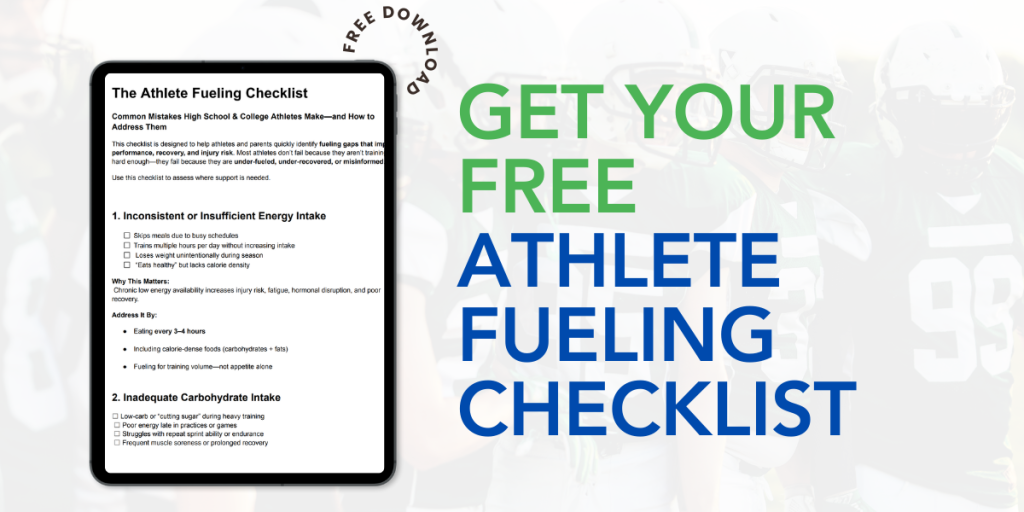
📥 Grab your copy of the Female Athlete Fueling Guide — a practical, parent-and-athlete-friendly resource covering exactly what, when, and how much to eat: Download the Female Athlete Fueling Guide here
Frequently Asked Questions from Parents of Teen Female Athletes
Is it normal for a teenage athlete to miss her period? No. While cycles can be irregular in the first 1–2 years after a girl’s first period, going 3+ months without a period is never normal and warrants evaluation by a doctor and a registered dietitian.
How long does it take to get a period back after amenorrhea? Most athletes see their cycle return within 3–6 months of consistent increased fueling and reduced training stress, though every athlete’s timeline is different.
Can my daughter keep training while recovering her period? Often yes — with modifications. Reducing volume and intensity while increasing fuel is usually the winning combination. This should be guided by her healthcare team.
Should I take my daughter to a doctor or a dietitian first? Both. A physician can rule out other medical causes and run labs (estrogen, thyroid, bone health markers), while a registered sports dietitian like myself builds the fueling plan that restores the cycle.
Ready for help? Join the 12-Week Athlete Program
If you’re a parent of a young female athlete — or a coach who works with female athletes — don’t wait for a stress fracture to take this seriously. We have helped numerous female runners and competitive athletes regain their cycles through custom nutrition plans and ongoing coaching.
Remember: You can’t perform like a beast if you eat like a bird!
→ Book a 1:1 Nutrition Consultation
Strategic guidance for athletes, parents, and active adults seeking clarity and results.
Schedule your consult here
→ Fueling the female athlete
How many calories, carbs, protein and fat is required to fuel the 8-18 YO female athlete. Learn more… HERE.
→ Elite 12-Week Elite Athlete Membership
I✔️ Sport-specific fueling plans
✔️ Meal and snack guides
✔️ Proven systems used with real athletes
👉 Join here:
https://www.nutritionwithwendi.com/membership/
→ Download the Health & Performance Playbook
Foundational nutrition principles every athlete and family should know.
Get the playbook
→ Questions and other inquiries for Wendi + The Wendi Irlbeck Show
Foundational nutrition principles every athlete and family should know.
Get in touch
Resources:
Cabre, H. E., Moore, S. R., Smith-Ryan, A. E., & Hackney, A. C. (2022). Relative Energy Deficiency in Sport (RED-S): Scientific, Clinical, and Practical Implications for the Female Athlete. Deutsche Zeitschrift fur Sportmedizin, 73(7), 225–234. https://doi.org/10.5960/dzsm.2022.546
Gimunová, M., Paulínyová, A., Bernaciková, M., & Paludo, A. C. (2022). The Prevalence of Menstrual Cycle Disorders in Female Athletes from Different Sports Disciplines: A Rapid Review. International journal of environmental research and public health, 19(21), 14243. https://doi.org/10.3390/ijerph192114243
Márquez, S., & Molinero, O. (2013). Energy availability, menstrual dysfunction and bone health in sports; an overview of the female athlete triad. Nutricion hospitalaria, 28(4), 1010–1017. https://doi.org/10.3305/nh.2013.28.4.6542
Sims, S. T., Kerksick, C. M., Smith-Ryan, A. E., Janse de Jonge, X. A. K., Hirsch, K. R., Arent, S. M., Hewlings, S. J., Kleiner, S. M., Bustillo, E., Tartar, J. L., Starratt, V. G., Kreider, R. B., Greenwalt, C., Rentería, L. I., Ormsbee, M. J., VanDusseldorp, T. A., Campbell, B. I., Kalman, D. S., & Antonio, J. (2023). International society of sports nutrition position stand: nutritional concerns of the female athlete. Journal of the International Society of Sports Nutrition, 20(1), 2204066. https://doi.org/10.1080/15502783.2023.2204066
U.S. Department of Health and Human Services. (2023, May 17). Bone mineral density tests: What the numbers mean. National Institute of Arthritis and Musculoskeletal and Skin Diseases. https://www.niams.nih.gov/health-topics/bone-mineral-density-tests-what-numbers-mean
von Rosen, P., Ekenros, L., Solli, G. S., Sandbakk, Ø., Holmberg, H. C., Hirschberg, A. L., & Fridén, C. (2022). Offered Support and Knowledge about the Menstrual Cycle in the Athletic Community: A Cross-Sectional Study of 1086 Female Athletes. International journal of environmental research and public health, 19(19), 11932. https://doi.org/10.3390/ijerph191911932

Wendi A. Irlbeck, MS, RDN, LD, CISSN
Wendi is a registered dietitian nutritionist and performance coach who specializes in evidence-based sports nutrition for high school and collegiate athletes. She designs strategic fueling systems that support performance optimization, recovery, and injury risk reduction, while minimizing health risks associated with under-fueling, overtraining, and misinformation. Wendi partners with parents, coaches, athletic trainers, athletic directors, educators, and sports performance staff to deliver practical nutrition education and sustainable performance-driven lifestyle plans. Her team provides virtual services nationwide, including sports nutrition presentations, 1:1 and group coaching, and structured athlete development programs for families and active adults.
 Under-fueling without realizing it