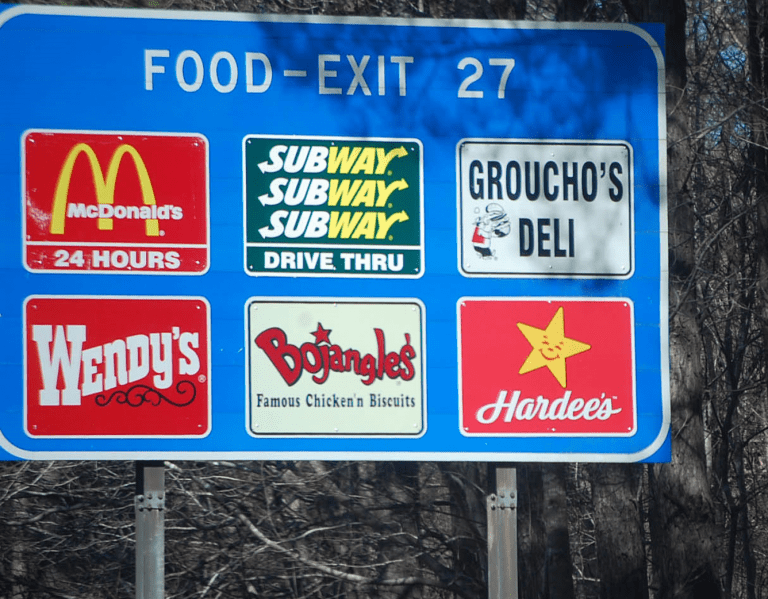
Apart from the creatine question, the second most popular question I get from youth athletes and parents is: “Can young athletes eat healthy at fast food restaurants?”
I’m a strong advocate for planning meals and snacks when traveling for work, games, or even vacations. But I also know it’s not always realistic—especially when you’re short on time
Here’s the truth: you can meet your health and fueling needs by planning ahead—checking menus, restaurants, and hotel options—or by packing meals to take with you. Many athletes and families struggle to make healthy choices in the moment, so planning before you walk through the front door can make all the difference.
Opportunity favors the prepared. Even when choices are limited, you can still eat well at fast food restaurants, gas stations, sit-down restaurants, and concession stands.
Here are guidelines and tools to help you make successful choices on the road, at the table, in the drive-through, and at your events.
Fast Food & Eating Out Guidelines
Before choosing a restaurant, remember to build a healthy plate that includes all your food groups: lean protein, healthy fat, fruits, vegetables, dairy, and whole grains.
Tips when eating out:
Choose grilled, baked, roasted, or steamed proteins and veggies.
Make sure bread or buns are whole-grain or multi-grain.
Drink water instead of soda or juice.
Control portions: ask for a to-go box immediately.
Replace fries with Greek yogurt, fruit, or a salad.
Ask for dressing on the side.
Swap mayo for avocado to add flavor and healthy fats.
Use olive oil or avocado instead of regular dressings.
Quick Restaurant Recommendations
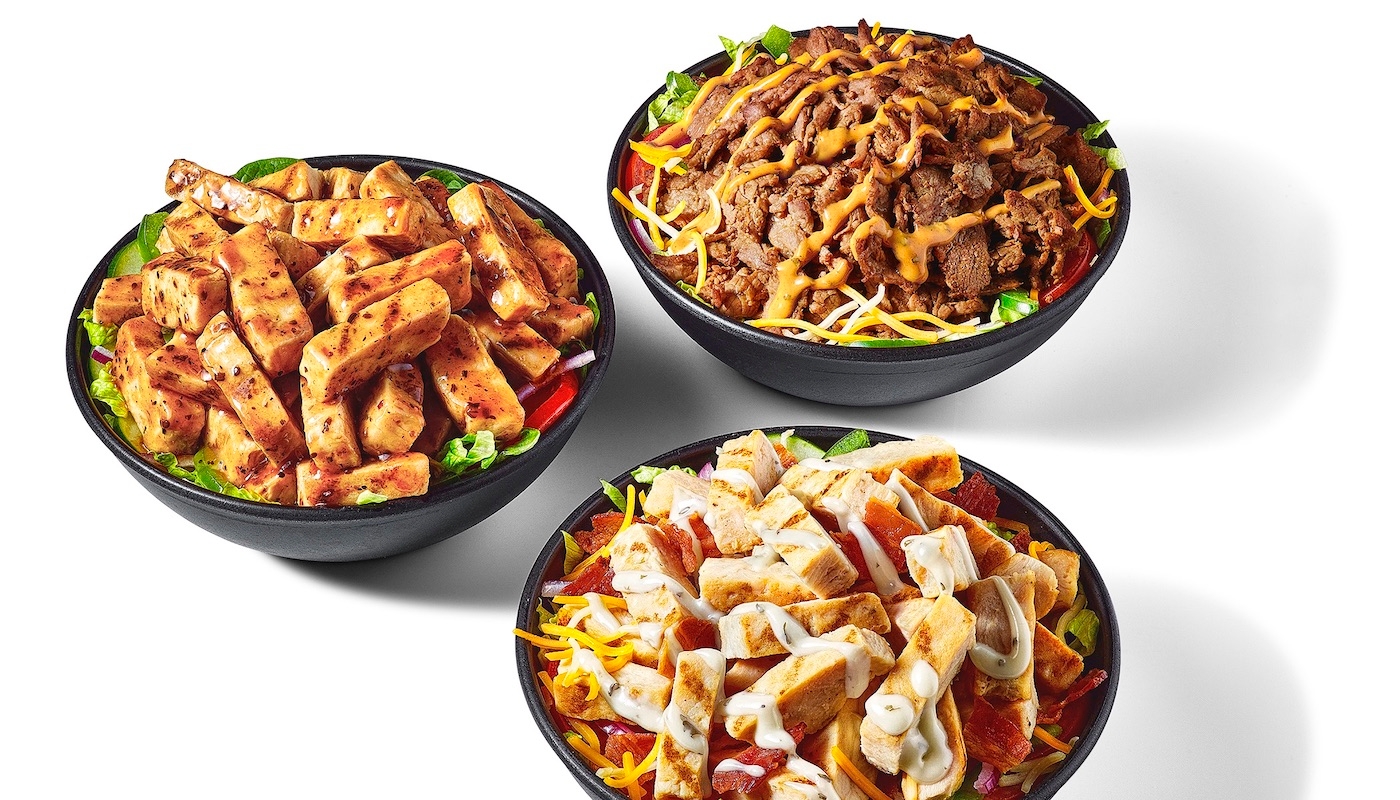
Subway:
- Try a protein bowl (skip the bread).
- Replace high-fat dressings with avocado or olive oil, or request dressing on the side.
- Choose grilled proteins and add extra protein if needed (egg, grilled meats, cheese).

Chick-fil-A
- Breakfast: Greek yogurt parfait or egg white grill.
- Lunch/Dinner: Grilled chicken nuggets, salad with dressing on the side, and a fruit cup.
- Swap the regular bun for a multi-grain bun on sandwiches.
- Try the Cool Wrap with extra veggies for fiber
Chipotle:
Build a protein bowl with:
Base: brown rice or lettuce
Protein: grilled chicken, steak, or sofritas
Add-ins: beans, fajita veggies, salsa, and guacamole
Skip cheese or sour cream if you want to lower calories, or use in moderation
Highly customizable, budget-friendly, and portable if you take leftovers for later

Sit-Down Restaurants
Check the menu before you go.
Don’t arrive overly hungry; have a small snack beforehand:
½ apple with peanut butter
String cheese with cucumber slices
Hummus and carrots
½ protein bar
Control portions: ask for a to-go box before food arrives.
Concession Stands & Gas Stations
Convenience stores shouldn’t be your go-to—they’re often expensive and limit healthy options. Plan ahead or pack your own snacks: Here’s what I recommend going to a Buc-ees.
Budget-friendly snack ideas:
Nuts & seeds (almonds, cashews, sunflower seeds)
Fruit with protein (apple + nut butter, banana + protein bar)
Hard-boiled eggs
Cheese sticks
Greek yogurt
Jerky (watch sodium)
Single-serve nut butter packs
Hummus + carrots
Protein shakes or bars (Gomacro bar, RXBars, Fairlife, CorePower)
Bringing your own food ensures you stay on track:
Produce: apples, bananas, oranges, kiwi, pineapple, strawberries, cucumber slices, carrots, cherry tomatoes, bell peppers.
Protein: Greek yogurt, string cheese, hummus, deli meats, hard-boiled eggs, jerky, protein shakes, protein bars.
Carbs & whole grains: oatmeal packets, whole-grain wraps, rice cakes, crackers, muffins, pancakes, waffles.
Healthy fats: nuts & seeds, nut butter packs, avocado, guacamole.
Best combinations:
Grapes + string cheese
Turkey + whole-grain sandwich
Fruit + nut butter packs
Applesauce + hard-boiled egg
Spinach + grilled chicken salad + avocado
Bell peppers + hummus
Greek yogurt parfaits or overnight oats in mason jars
Athlete Meal Prepping on a Budget
Meal prepping doesn’t have to be expensive:
Plan weekly: pick 2-3 proteins, 2-3 carbs, and 2-3 veggies to mix and match.
Cook in bulk: roast chicken, boil eggs, cook rice or quinoa in large batches.
Use frozen produce: just as nutritious as fresh and lasts longer.
Budget snacks: peanut butter, bananas, yogurt, bulk trail mix, canned tuna.
Pack smart: portion snacks in zip-lock bags or reusable containers to grab on the go.
With a little planning, you can fuel performance, improve recovery, and save money at the same time. More meal prepping on a budget HERE.
If eating out, traveling, and fueling busy schedules feels overwhelming, you do not need more random tips—you need a clear system.
That is exactly why we created two evidence-based resources designed for student-athletes, parents, coaches, and active adults who want structure without restriction.
For coaches, parents, and athletes who want the “why” and the “how.”
This comprehensive playbook breaks down:
How much athletes actually need to eat to support growth, training, and recovery
Protein, carbohydrate, and fat targets—explained simply
Fueling strategies for training days, rest days, games, tournaments, and travel
Injury prevention, energy availability, hydration, and sleep basics
Supplement guidance (including creatine) with clarity and safety in mind
This is the foundation for understanding performance nutrition—without confusion or extremes.
👉 Ideal for teams, families, and athletes who want education, not diet rules.
For families who want to know exactly what to eat and pack.
This practical, plug-and-play guide includes:
High-protein meals and snacks for athletes
Travel-friendly and fast-food-smart options
Budget-conscious grocery lists
Easy combinations for busy school, practice, and game days
Snack ideas that actually meet performance needs
This is the implementation piece—what to eat, when to eat it, and how to make it realistic.
👉 Perfect if you want less thinking and more consistency.
Which One Is Right for You?
Want education, structure, and long-term understanding? → Health & Performance Playbook
Want ready-to-use meals, snacks, and travel ideas? → Meal & Snack Guide
Want both clarity and execution? → Bundle them together or grab another fueling guide for baseball, football and other sports for maximum impact.

Wendi A. Irlbeck, MS, RDN, LD, CISSN
Need Individual Support?
If your athlete is struggling with energy, weight changes, recovery, or consistency—or if you want a personalized plan our certified sports nutrition coaches are here to help.
Book a Consultation! to see which option fits your goals best or join the 12 week athlete program created and coached by Wendi!
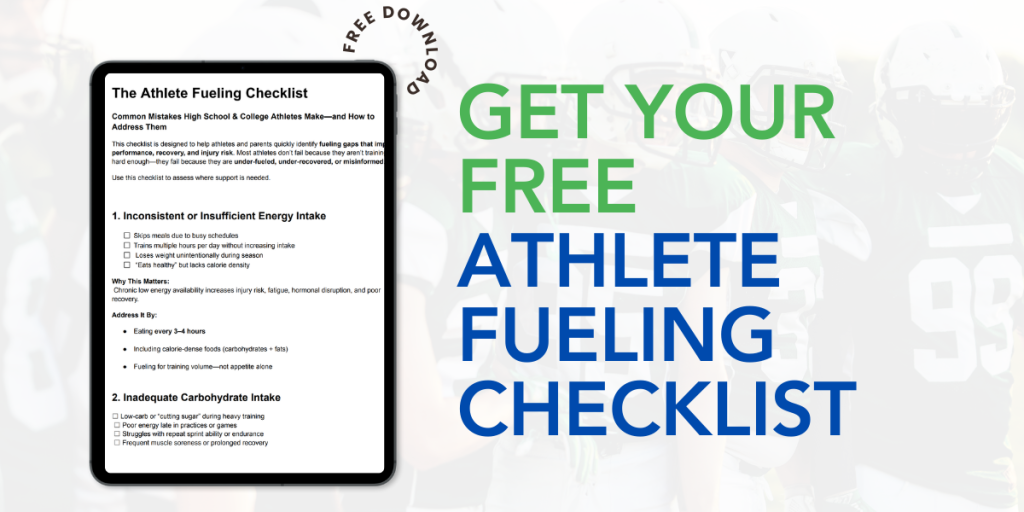
 Under-fueling without realizing it