
For runners, jumpers, throwers, swimmers, and distance athletes, every second counts. You train hard, monitor your nutrition, and grind through fatigue. But what if you’re doing everything “right” and still feel off? Perhaps you were like one of our many runners who struggled with poor focus, chronic fatigue, mood swings, brain fog, forgetfulness or sluggish recovery? You might be low in vitamin B12—and not even know it!
What Is Vitamin B12 and Why Does It Matter?
Vitamin B12 (cobalamin) is a powerhouse nutrient responsible for red blood cell formation, DNA synthesis, and nervous system function. Without enough B12, your body can’t transport oxygen efficiently, repair tissue properly, or generate energy from food—three non-negotiables for athletes.
Even “low-normal” levels of B12 can impair brain function and performance. The National Institutes of Health (NIH) notes that while 200 pg/mL is the lower limit for B12 in blood, symptoms can start appearing in the 200–350 pg/mL range. So yes, “normal” doesn’t always mean optimal.
Why Are Athletes: Especially Females and Runners are at Risk
Vitamin B12 deficiency is more common than many realize, and athletes are a particularly vulnerable group. Here’s why:
- High training volumes increase the demand for oxygen transport, red blood cells, and tissue repair, all B12-dependent. Disordered eating can often be related. Learn more about the signs and symptoms of disordered eating and how to combat it.
- Inadequate energy intake (common in distance runners and female athletes including soccer players) leads to nutrient gaps.
- Restricted diets (like vegetarian or vegan eating styles) often exclude primary B12 sources found in animal products. Check labels on plant-based alternatives. Here I compare plant-based meat to animal protein.
Menstrual blood loss in females may compound fatigue and iron-related concerns, which can mask or worsen symptoms of B12 deficiency. Three tips for regaining your period.
Put simply: if you’re training hard, not eating enough, or excluding animal-based foods, your B12 stores could be running on fumes. Sign up for the NWW free newsletter to gain access to health and sports nutrition resources weekly!
Signs You Might Be Low in B12: Athletes often brush off the signs of B12 deficiency as “normal training fatigue,” but here’s what to watch for:
- Poor focus and memory
- Mood swings and irritability
- Low energy and chronic fatigue
- Muscle weakness and delayed recovery
- Dizziness or lightheadedness
- Trouble sleeping or staying asleep
If you’re nodding your head to more than one of these symptoms, it’s time to test, don’t guess! You also want to make sure you are eating adequate carbs before and after training! Get in touch with us for more questions on your fueling plan HERE.
Testing for B12: What You Need to Know
The Mayo Clinic defines the normal range for vitamin B12 levels as approximately 200–900 pg/mL. But as noted by both the NIH and medical research (including JAMA), many people begin experiencing symptoms in the 200–350 pg/mL range. This is especially true for high-performing athletes whose demand for B12 is elevated.
Functional testing like checking methylmalonic acid (MMA) levels—can help confirm deficiency in borderline cases. Your provider can order these tests to get a clearer picture of your status.
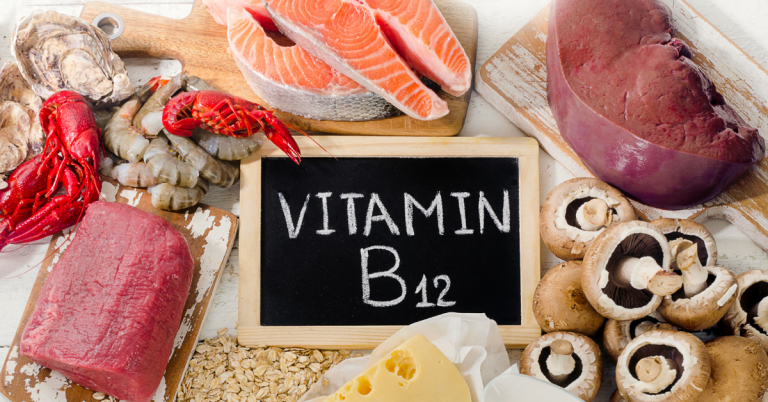
What to Do If You’re Low in B12: Start by evaluating your food intake. Aim to include more B12-rich options like:
- Beef
- Sardines, tuna, salmon
- Turkey (especially dark meat)
- Dairy products (milk, yogurt, cheese)
- Liver (a powerhouse source, especially for female athletes with low iron or B12)
If you follow a vegetarian or vegan diet, or simply don’t consume much animal protein—consider a B12 supplement in the form of methylcobalamin or cyanocobalamin. Book a free 10-min call with a NWW sports dietitian so we can connect with you to review your nutrition, training and labs!
Performance Starts With the Right Fuel at the Right Time in the Right Amount! Don’t Let B12 Be Your Blind Spot
B12 might not get the spotlight like protein or creatine, but it’s one of the most important nutrients for any athlete chasing peak performance. When you’re low, everything suffers: energy, strength, focus, and mood. Confused on nutrient timing? Check out Wendi’s 4-2-1 fueling strategy!
Athletes who’ve unknowingly struggled with B12 deficiency often describe it like running with a weighted vest, until they correct it and realize how much better they can feel and perform. Recover like a pro here! Don’t neglect these 3 recovery tips!
Final Thought for Coaches and Parents
If you work with female athletes or endurance teams like cross country and track, don’t overlook the role of micronutrients like B12. Encourage regular blood work including hormone panels, open conversations about nutrition, and meals that reflect the demands of training. Ferritin levels are also something you want to check regularly. More on ferritin HERE.
Even the most disciplined athletes can hit plateaus when they’re running on empty.
Key Takeaways:
- Vitamin B12 is essential for brain function, red blood cells, and muscle recovery.
- Athletes—especially runners and female athletes—are at greater risk due to training demands and underfueling.
- Symptoms of B12 deficiency include fatigue, poor focus, irritability, muscle weakness, and sluggish recovery.
- Test B12 levels if symptoms persist. “Low-normal” doesn’t always mean adequate.
- Include B12-rich foods or consider supplements if dietary intake is insufficient.
Fuel smart. Test regularly. Don’t let something as simple as vitamin B12 be the reason you’re not performing at your best! Something I regularly recommend to athletes, parents and programs we work with is to track your nutrition and regularly check in our performance metrics. Are you progressing or regressing?
Nutrition is your secret weapon. It can make a good athlete great or a great athlete good!


 Under-fueling without realizing it