
When an athlete gets injured, training usually changes overnight. But one thing should not: nutrition. The body’s demand for nutrients often increases during recovery. Tissue repair, inflammation control, immune support, and muscle preservation all depend on what you eat consistently each day.
Why nutrition matters during injury recovery
Injury recovery is not passive. Your body is actively rebuilding tissue, repairing muscle fibers, strengthening bone, and restoring function. Poor nutrition can slow that process, while strategic fueling can help you recover more effectively.
Key nutrition goals during rehab include:
-
Preserve lean muscle mass
-
Support tissue and bone repair
-
Reduce excessive inflammation and swelling
-
Maintain immune function and energy levels
-
Optimize recovery between rehab sessions
1. Stay consistent with hydration and quality food intake
 Hydration is one of the most overlooked recovery tools. Fluids help transport nutrients to healing tissues, regulate inflammation, and support joint and muscle function.
Aim to drink fluids consistently throughout the day, not just during rehab sessions. Pair hydration with nutrient-dense meals that include protein, fruits, vegetables, healthy fats, and calcium-rich foods.
Recovery tip: A good rule is to include color and protein at every meal. Colorful produce provides antioxidants and anti-inflammatory compounds, while protein supplies the building blocks for repair.
2. Prioritize protein at every meal
Protein is the cornerstone of muscle and tissue repair. During injury recovery, athletes often need more protein than usual to maintain muscle mass and support healing.
- Target intake: approximately 2.0–2.2 g of protein per kilogram of body weight per day.
- For a 150 lb (68 kg) athlete, that equals roughly 136–150 g of protein daily.
- Spread protein across meals and snacks rather than consuming it all at dinner.
 High-quality protein sources
 High-quality protein sources
-
Low-fat Greek yogurt
-
Eggs
-
Fish (salmon, tuna, sardines)
-
Poultry
-
Lean beef or steak
-
Cottage cheese and dairy products
Focus especially on protein sources rich in leucine, an amino acid that helps stimulate muscle protein synthesis.
3. Fuel before and after rehab sessions
Rehab is still training. Your body needs fuel before and after sessions to support performance and recovery.
Simple pre- and post-rehab snack ideas
-
Greek yogurt + berries
-
Banana + protein shake
-
Apple + cottage cheese
-
Rice cakes + turkey slices
Aim for a combination of protein + fruit or carbohydrate within about 30–60 minutes before and after rehab work. High-protein smoothies are a great way to maintain nutrition!
4. Don’t under-eat out of fear of weight gain
Many injured athletes drastically cut calories because they are training less. While energy needs may change slightly, your body still requires substantial fuel to heal.
Under-eating can:
-
Slow tissue repair
-
Increase muscle loss
-
Reduce immune function
-
Delay return to sport
Instead of severe restriction, focus on:
-
High protein intake
-
Plenty of fruits and vegetables
-
Whole-food carbohydrates
-
Consistent meal timing
If body composition changes are a concern, work with a registered dietitian to adjust calorie intake appropriately.
5. Include omega-3-rich foods daily
 5. Include omega-3-rich foods daily
Omega-3 fatty acids may help reduce excessive inflammation and support recovery.
Best omega-3 sources
-
Salmon
-
Mackerel
-
Sardines
-
Tuna
-
Chia seeds
-
Flax seeds
-
Avocado
-
Unsalted nuts
Aim to include fatty fish 2–3 times per week or add plant-based omega-3 sources daily. Athletes often skimp on healthy fats.
6. Don’t overlook bone and mineral support
Injuries involving bone, tendons, or connective tissue increase the importance of certain micronutrients.
Focus on nutrients that heal:
7. Creatine supplementation
Research suggests that creatine monohydrate may help reduce losses in lean mass and strength during periods of reduced training, surgery recovery, or immobilization. Common approach: 7-10 g per day of creatine monohydrate, taken consistently. Use Code WendiIrlbeck for 15% off Momentous third-party tested creatine and other supplements.
A simple recovery-focused meal template
Breakfast
-
Greek yogurt with berries, granola, chia seeds, and honey
Lunch
-
Grilled chicken, quinoa, roasted vegetables, and avocado
Snack
-
Cottage cheese with pineapple, papaya, pomegranate and walnuts
Dinner
-
Salmon, sweet potato, broccoli, and leafy greens
Post-rehab snack
-
Protein shake + kiwi
Final thoughts
Healing is not just about rest and rehab exercises. Nutrition is one of the few factors athletes can control every day, and it has a major impact on recovery speed and quality. Stay hydrated, prioritize protein, eat colorful produce, include healthy fats, and fuel consistently. Your body is doing the work of rebuilding—give it the materials it needs to do it well.
Helpful resources
Use Code WendiIrlbeck for 15% off Momentous third-party tested creatine and other supplements. We would never recommend anything we did not personally use ourselves as sports dietitians. Our clients and athletes can trust Momentous. Momentous products are third-party tested and NSF and Informed Choice approved! You won’t find another supplement company that matches their product quality or purity!
In good health and wellness,
Coach Wendi
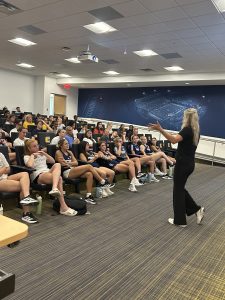 Wendi Irlbeck, MS, RDN, LD, CISSN is a registered dietitian nutritionist and performance coach. Wendi utilizes evidence-based science to tailor nutrition programs for athletes to optimize performance, minimize health risks, and enhance recovery from training while focusing on injury prevention. She partners with parents, sports performance staff, and special needs and recreational athletes to offer nutritional guidance and optimal athletic performance and lifestyle plans. Wendi provides virtual services including telehealth but is based in Nashville, TN. Wendi works with clients of all levels and ages across the US as well as Canada and the UK. Book a consultation with Wendi HERE.
Testimonials of Wendi’s expertise from colleges, coaches, parents, young athletes, and high school administrators can be found at the testimonial link on her website. You can also follow Wendi on Twitter, Facebook, and Instagram for more nutrition information. Service
 Under-fueling without realizing it